



Chinese New Year Foods: Traditional Flavors for the Year of the Horse 2026
Chinese New Year foods represent more than delicious cuisine—they embody centuries of cultural symbolism, family traditions, and hopes for prosperity in the year ahead. As we prepare for the Year of the Horse arriving on January 29th, 2026, understanding the authentic flavors and ingredients that define traditional Lunar New Year food becomes essential for food manufacturers, restaurants, and home cooks alike.
Essential Chinese New Year Foods and Their Meanings
Chinese New Year foods carry deep symbolic meaning, with each dish selected to attract specific blessings for the coming year. These traditional Lunar New Year food items create the foundation of celebratory meals:
Dumplings (Jiaozi) symbolize wealth due to their resemblance to ancient Chinese gold ingots. Among Chinese New Year foods, dumplings remain the most popular, traditionally filled with pork, cabbage, and aromatic ginger.
Fish represents surplus and abundance. Serving whole fish ranks among the most important Chinese New Year foods, as the Chinese word for fish (yú) sounds like the word for surplus.
Spring Rolls signify wealth and prosperity with their golden appearance. These crispy treats are quintessential Lunar New Year snacks served throughout celebrations.
Nian Gao (Rice Cake) symbolizes progress and advancement. This sweet, sticky cake features prominently in Chinese New Year foods lists, incorporating sesame seeds for additional symbolism of growth.
Tangyuan (Sweet Rice Balls) represent family unity and togetherness. Flavored with jasmine or sesame, these desserts conclude many traditional Lunar New Year food celebrations.
Lunar New Year Oranges: The Essential Symbol of Good Fortune
Lunar New Year oranges hold special significance among Chinese New Year foods. Oranges and tangerines symbolize good luck and wealth, with their golden color representing prosperity. The Chinese word for orange sounds similar to "good fortune," making Lunar New Year oranges indispensable for celebrations.
Families exchange Lunar New Year oranges as gifts, display them prominently in homes, and incorporate orange flavoring into various Lunar New Year snacks. The bright citrus notes of natural orange flavor enhance beverages, baked goods, and confections designed for the celebration.
Popular Lunar New Year Snacks for Modern Celebrations
Beyond traditional meals, Lunar New Year snacks play a vital role in entertaining guests and gift-giving. These treats combine authentic flavors with convenient formats:
Candied Fruits and Nuts: Ginger candy, candied Lunar New Year oranges, and honey-roasted sesame nuts are beloved Lunar New Year snacks that guests enjoy throughout multi-day celebrations.
Almond Cookies: These buttery treats featuring aromatic almond flavor are popular Lunar New Year snacks that travel well for gift exchanges.
Sesame Seed Balls: Crispy on the outside, chewy inside, these Lunar New Year snacks showcase the nutty richness of sesame.
Lychee Jellies: Featuring the sweet, floral notes of lychee, these modern Lunar New Year snacks appeal to younger generations.
Preserved Fruits: Sweet and tangy preserved plums, kumquats, and winter melon are traditional Lunar New Year food snacks symbolizing prosperity.
Authentic Flavors in Traditional Lunar New Year Food
The distinctive taste profiles of traditional Lunar New Year food come from specific ingredients used for centuries:
Ginger provides warming spice to Chinese New Year foods, appearing in dumpling fillings, marinades, and desserts. Its pungent heat represents driving away evil spirits and illness.
Sesame delivers nutty depth to traditional Lunar New Year food, from sesame oil in stir-fries to black sesame paste in sweet rice balls. This ingredient symbolizes longevity.
Lychee brings delicate sweetness to modern interpretations of Chinese New Year foods, particularly in beverages and desserts celebrating the holiday.
Jasmine offers floral elegance through jasmine tea, an essential beverage pairing for traditional Lunar New Year food. Its delicate aroma enhances the dining experience.
Lemongrass contributes bright, citrusy notes in Southeast Asian variations of Chinese New Year foods, particularly in fish preparations and soups.
Five-Spice Blend creates complex flavor layers in savory Chinese New Year foods, combining star anise, cloves, cinnamon, Sichuan pepper, and fennel.
Developing Products Inspired by Chinese New Year Foods
Food manufacturers can tap into the growing market for authentic Chinese New Year foods and Lunar New Year snacks by developing products that honor tradition while meeting modern preferences:
Beverages Featuring Chinese New Year Foods Flavors
-
Lychee sparkling water capturing the essence of traditional fruit offerings
-
Ginger tea blends incorporating warming spices from Chinese food for Chinese New Year
-
Orange blossom drinks celebrating the symbolism of Lunar New Year oranges
-
Jasmine tea lattes modernizing traditional beverage pairings
Confections and Lunar New Year Snacks
-
Sesame brittle and pralines honoring nutty flavors in Chinese New Year foods
-
Ginger chocolates providing spicy-sweet indulgence
-
Orange-flavored gummies featuring Lunar New Year oranges symbolism
-
Almond cookies in convenient single-serve packages
Ready-to-Eat Chinese New Year Foods
-
Frozen dumplings with authentic ginger-pork filling
-
Spring roll kits with natural vegetable-based colors
-
Rice cake varieties featuring traditional and modern flavors
-
Dumpling dipping sauces highlighting ginger and sesame
Natural Red Food Coloring in Chinese New Year Foods
Red represents the most auspicious color in Chinese culture, making natural red food coloring essential when producing Chinese New Year foods and Lunar New Year snacks. Traditional Lunar New Year food presentations often feature vibrant red elements:
Red Radish Color provides red hues that are perfect for Chinese food for Chinese New Year applications including:
- Red-dyed dumpling wrappers
- Colored rice cakes
- Festive spring roll skins
- Lunar New Year snacks like cookies and candies
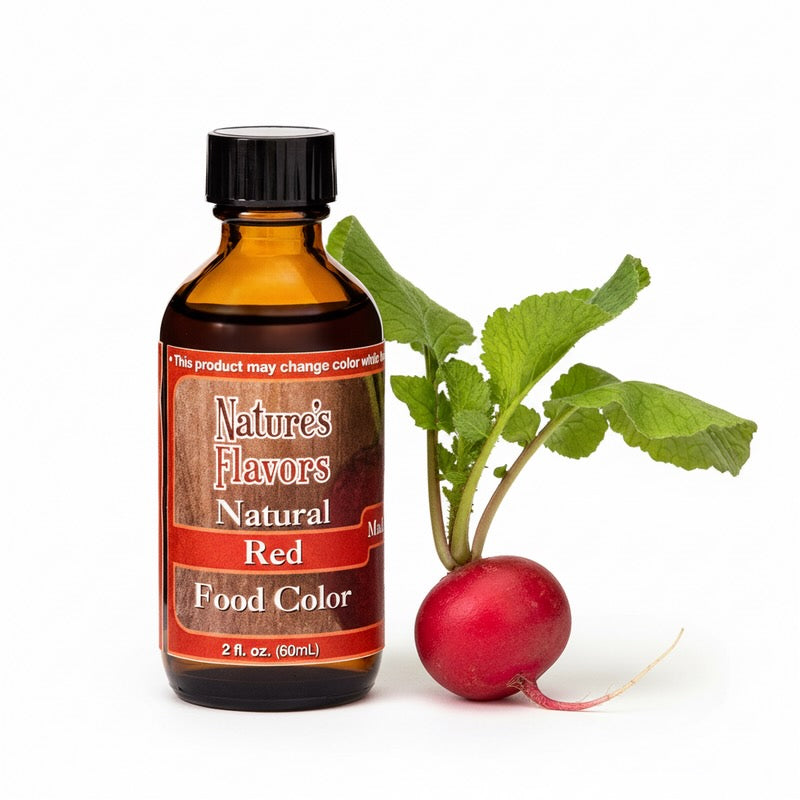
Hibiscus Red offers organic certification and deep red tones ideal for beverages and confections inspired by Chinese New Year foods.
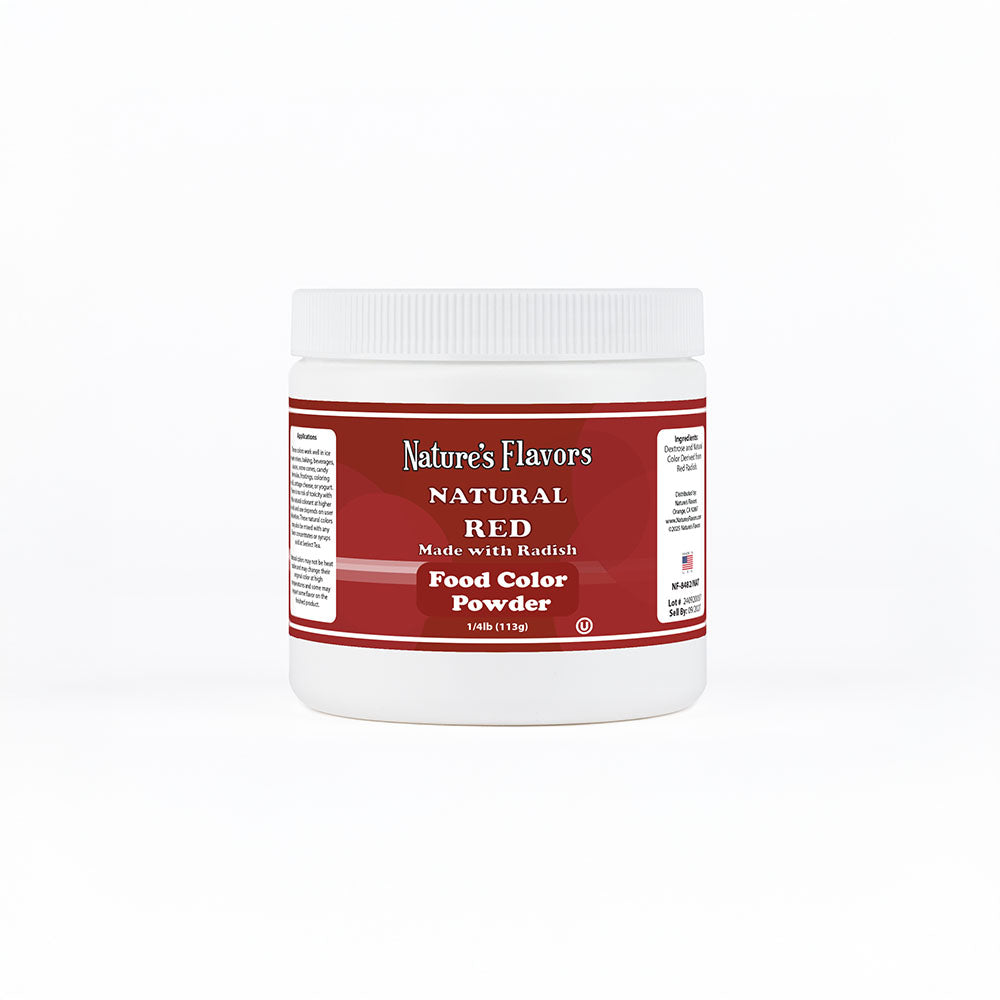
Red Radish Powder delivers convenience for dry-mix applications, allowing home cooks and manufacturers to add authentic red color to traditional Lunar New Year food preparations.
Why Natural Colors Matter for Chinese New Year Foods
Modern consumers increasingly reject artificial dyes, even in traditional Chinese New Year foods . Studies show shoppers return products to shelves upon discovering synthetic colors in ingredients. Using natural red food coloring in Chinese food for Chinese New Year ensures products meet both cultural expectations and clean label standards.
Sourcing Authentic Flavors for Chinese New Year Foods
Creating authentic Chinese New Year foods and Lunar New Year snacks requires high-quality natural flavors that capture true ingredient profiles:
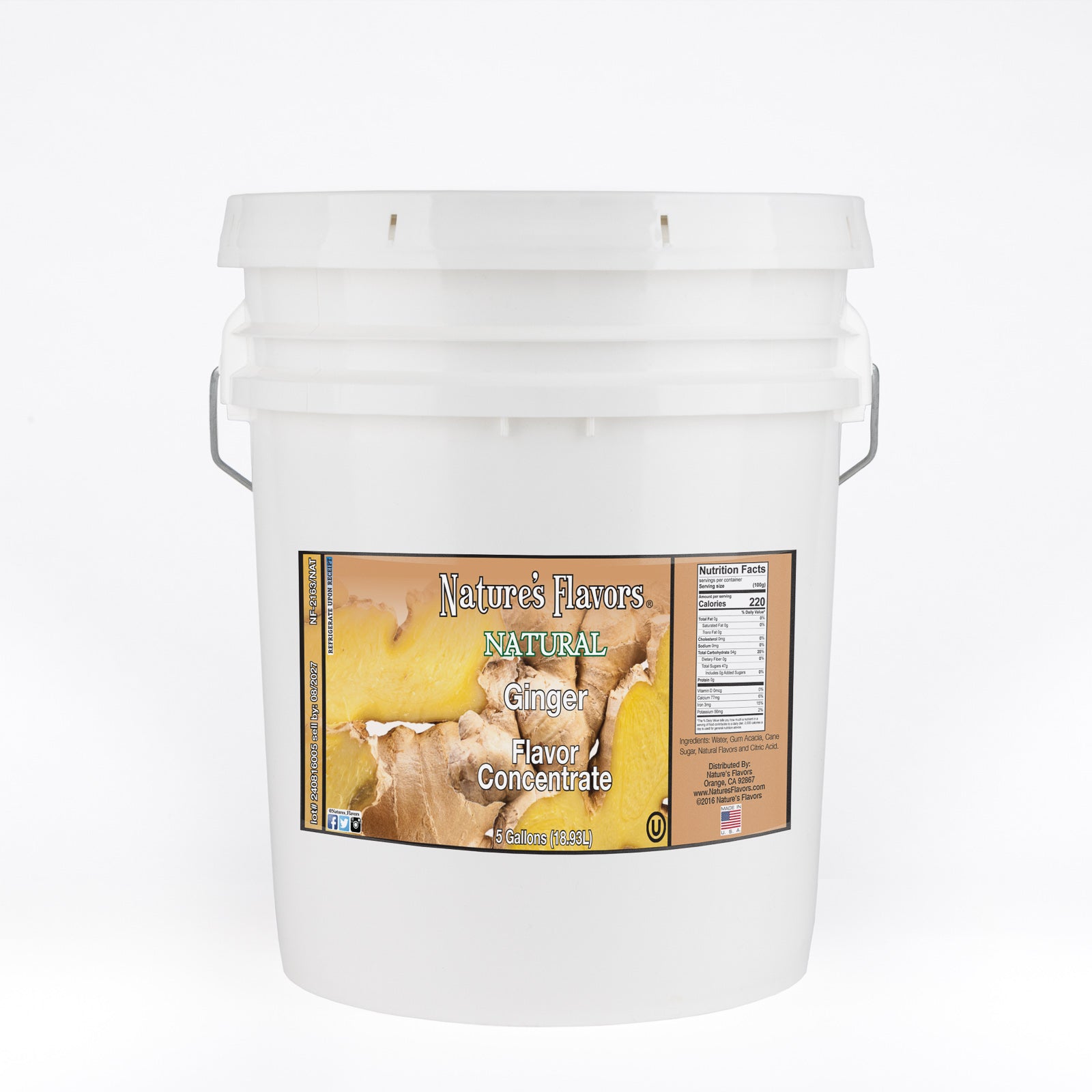
Natural Ginger Flavor should deliver the pungent, warming spice found in traditional Lunar New Year food, not artificial heat.
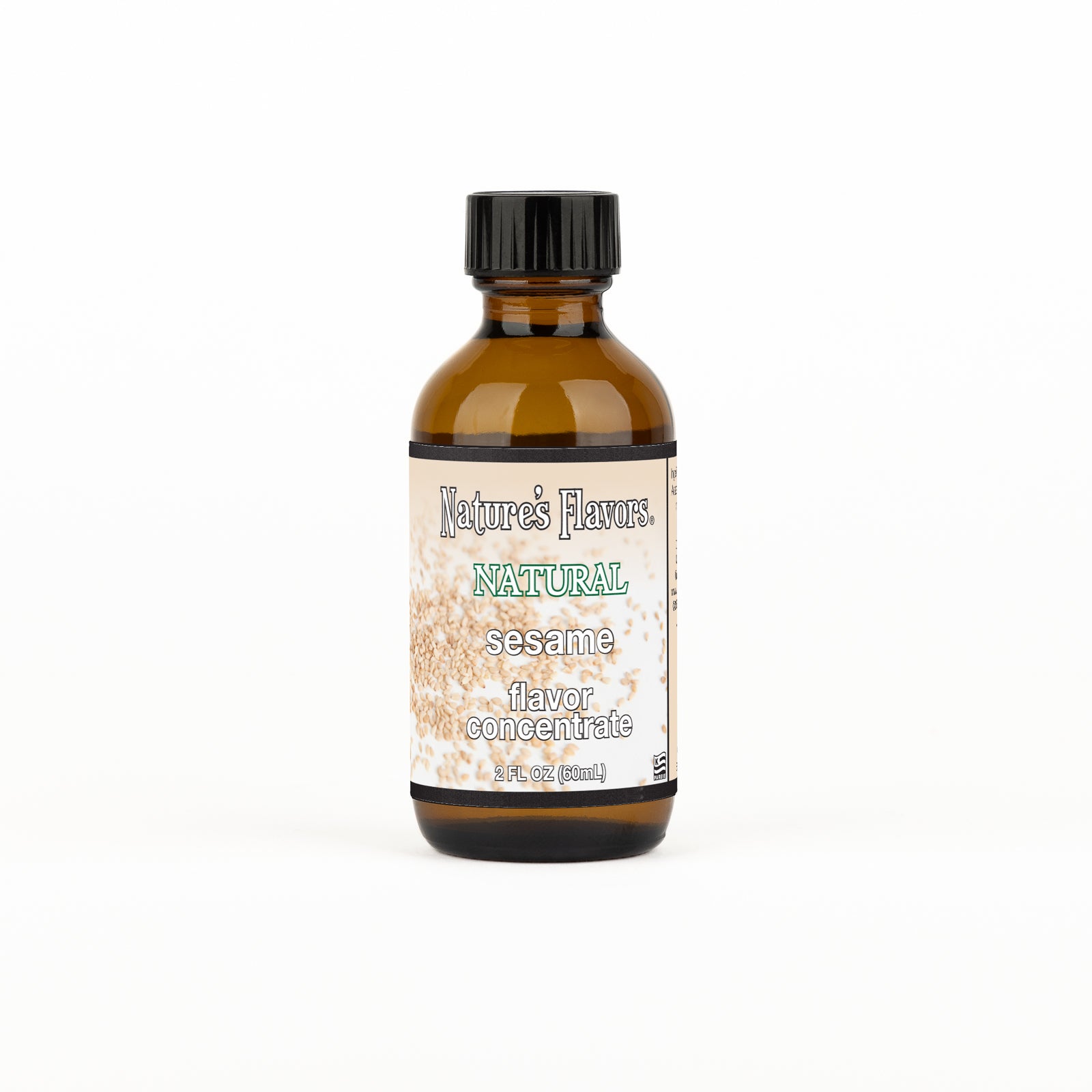
Sesame Flavor must provide the nutty richness of toasted sesame seeds used throughout Chinese New Year foods.
Lychee Flavor needs delicate floral-fruit balance characteristic of fresh lychees served during celebrations.

Citrus Flavors for Lunar New Year oranges applications should capture the bright, sweet-tart profile of fresh mandarins.

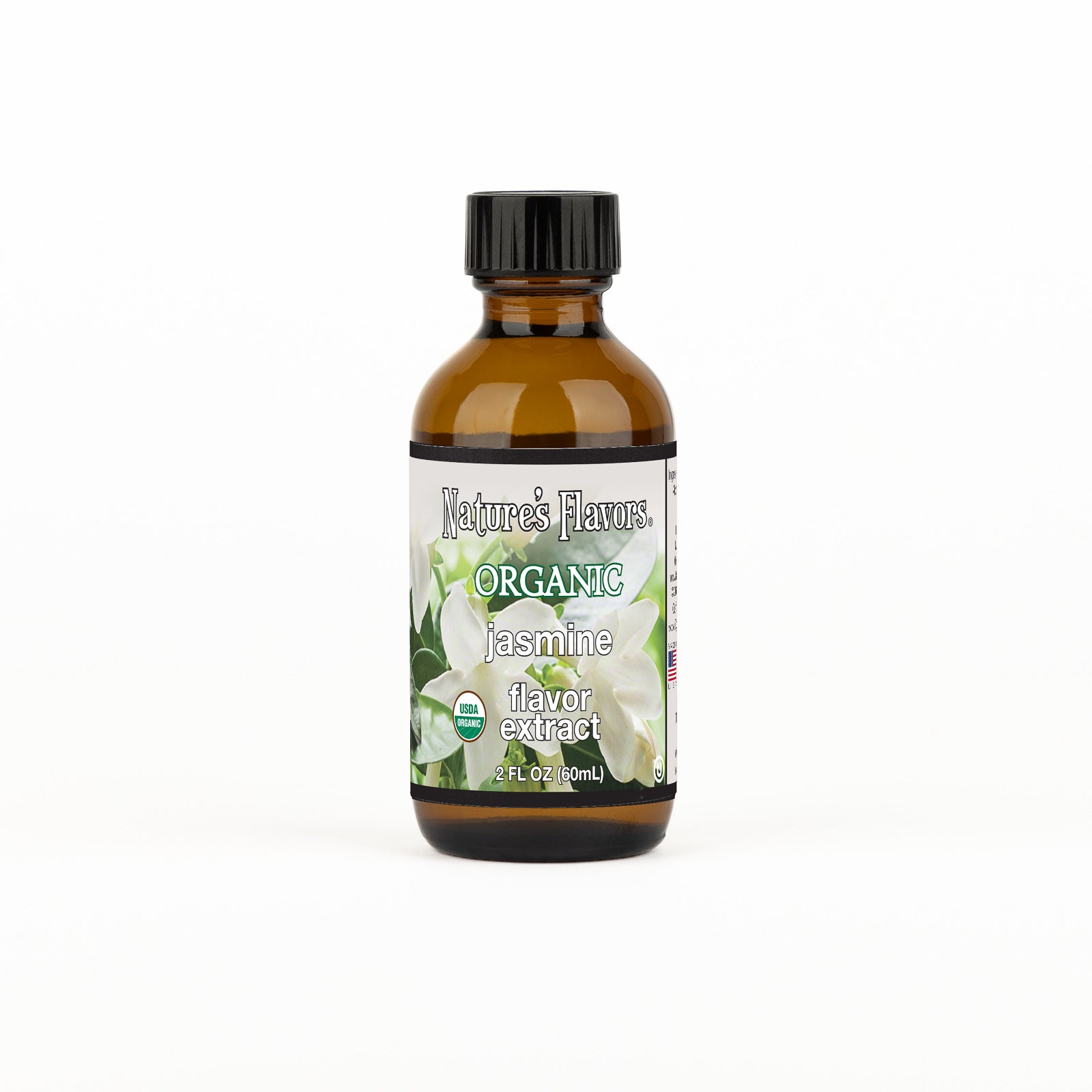
Jasmine Flavor requires subtle floral notes that enhance rather than overpower Chinese food for Chinese New Year.
Planning Chinese New Year Foods Product Development
Successful launches of Chinese New Year foods and Lunar New Year snacks require strategic planning:
Timeline for Chinese New Year Foods Products
-
Concept Development (8-10 months prior): Research traditional Lunar New Year food to identify authentic flavor profiles and cultural significance
-
Formula Testing (6-8 months prior): Test natural flavors and colors in Chinese New Year foods applications
-
Production Scaling (4-6 months prior): Scale manufacturing of Lunar New Year snacks and Chinese food for Chinese New Year
-
Marketing Development (3-4 months prior): Create culturally appropriate messaging highlighting traditional Lunar New Year food connections
-
Distribution (2-3 months prior): Ensure Chinese New Year foods reach retailers before celebration
Cultural Authenticity in Chinese New Year Foods Marketing
When promoting Chinese New Year foods and Lunar New Year snacks, cultural sensitivity matters:
- Partner with Asian communities to ensure accurate representation of traditional Lunar New Year food
- Explain symbolism behind specific Chinese New Year foods ingredients
- Showcase Lunar New Year oranges and other traditional elements appropriately
- Avoid stereotypes while celebrating authentic Chinese food for Chinese New Year traditions
The Business Opportunity in Chinese New Year Foods
The market for Chinese New Year foods extends far beyond the Asian American community:
Asian American Consumers (24+ million) seek authentic Chinese New Year foods that connect them to cultural heritage, driving demand for quality Lunar New Year snacks.
Multicultural Families celebrate multiple traditions, purchasing Chinese New Year foods alongside other holiday items.
Culturally Curious Consumers explore international celebrations, making Lunar New Year snacks and traditional Lunar New Year food appealing year-round.
The Food Service Industry needs reliable suppliers of Chinese New Year foods for restaurant specials and catering during the multi-week celebration period.
Year-Round Applications Beyond Chinese New Year Foods
Flavors featured in Chinese New Year foods —ginger, sesame, lychee, jasmine, and citrus—appeal beyond seasonal celebrations. Products developed as Lunar New Year snacks can transition to permanent offerings:
- Ginger beverages for digestive health positioning
- Sesame snacks for plant-based protein markets
- Lychee products in tropical flavor collections
- Citrus items year-round with special Lunar New Year oranges messaging during season
Recipe Ideas: Chinese Food for Chinese New Year
Home cooks and food brands can create approachable Chinese food for Chinese New Year using authentic flavor extracts:
- Simplified Dumplings: Use natural ginger and sesame flavors in vegetable-based fillings for easy Chinese New Year foods preparation.
- Orange-Glazed Desserts: Celebrate Lunar New Year oranges symbolism with natural orange flavor in glazes for cookies and cakes.
- Jasmine Rice Pudding: Modern twist on traditional Lunar New Year food using jasmine flavor in creamy desserts.
- Ginger-Sesame Energy Balls: Portable Lunar New Year snacks combining symbolic flavors in health-conscious format.
- Lychee Mocktails: Family-friendly beverages capturing festive spirit of Chinese New Year foods celebrations.
Success Through Authentic Chinese New Year Foods
The Year of the Horse promises energy, progress, and prosperity. For food manufacturers and culinary entrepreneurs, developing authentic Chinese New Year foods and Lunar New Year snacks positions brands for growth in expanding markets.
By incorporating traditional flavors—ginger, sesame, lychee, jasmine, and celebrating Lunar New Year oranges—with natural red food coloring, you create products honoring Chinese food for Chinese New Year traditions while meeting modern consumer expectations for clean labels and authentic taste.
Whether developing traditional Lunar New Year food items or innovative Lunar New Year snacks, success comes from respecting cultural significance while delivering exceptional quality. Start planning your Chinese New Year foods product line now to capture this significant seasonal opportunity and build lasting connections with Asian American communities and culturally curious consumers.
Ready to develop authentic Chinese New Year foods with traditional flavors and natural colors? Partner with experienced flavor specialists who understand both cultural authenticity and commercial food production.