


Natural Color for Food: The Complete Guide to Vibrant, Clean Ingredients
Natural Color for Food: The Complete Guide to Vibrant, Clean Ingredients
If you've ever bitten into a blindingly blue birthday cake or a cherry-red candy and wondered what exactly is creating that color — you're not alone. More people than ever are asking where their food's hues come from, and the answer is pushing a massive shift toward natural color for food across home kitchens and commercial production alike.
Whether you're a home baker, a small food business, or simply someone trying to clean up their ingredient labels, this guide covers everything you need to know about making the switch to nature-derived colorants — and why it's one of the best decisions you can make for your product or your family.
Why Natural Food Color Is Having a Moment
The global food color market is being reshaped by one powerful force: consumer demand for transparency. People are reading labels. They're Googling ingredients. And synthetic dyes like Red 40, Yellow 5, and Blue 1 — long the workhorses of the food industry — are under increasing scrutiny for their links to hyperactivity in children and potential allergen concerns.
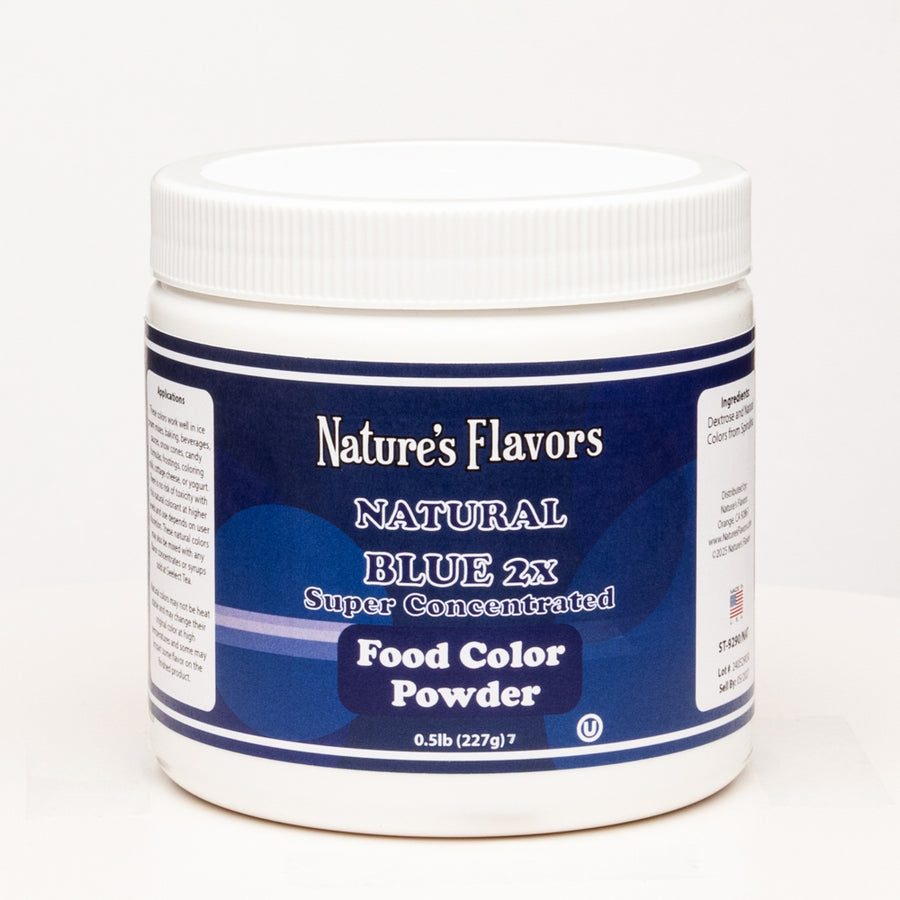
The response from both home cooks and food brands has been decisive: reach for natural food colors derived from plants, fruits, vegetables, and minerals instead. At Nature's Flavors, every colorant in our lineup is sourced with that exact standard in mind — no synthetics, no compromise. Not only do natural colors sidestep the controversy around synthetic dyes, they also tell a far more compelling story on a product label.
→ Browse Nature's Flavors' Natural Food Color Collection
Where Does Natural Color for Food Actually Come From?
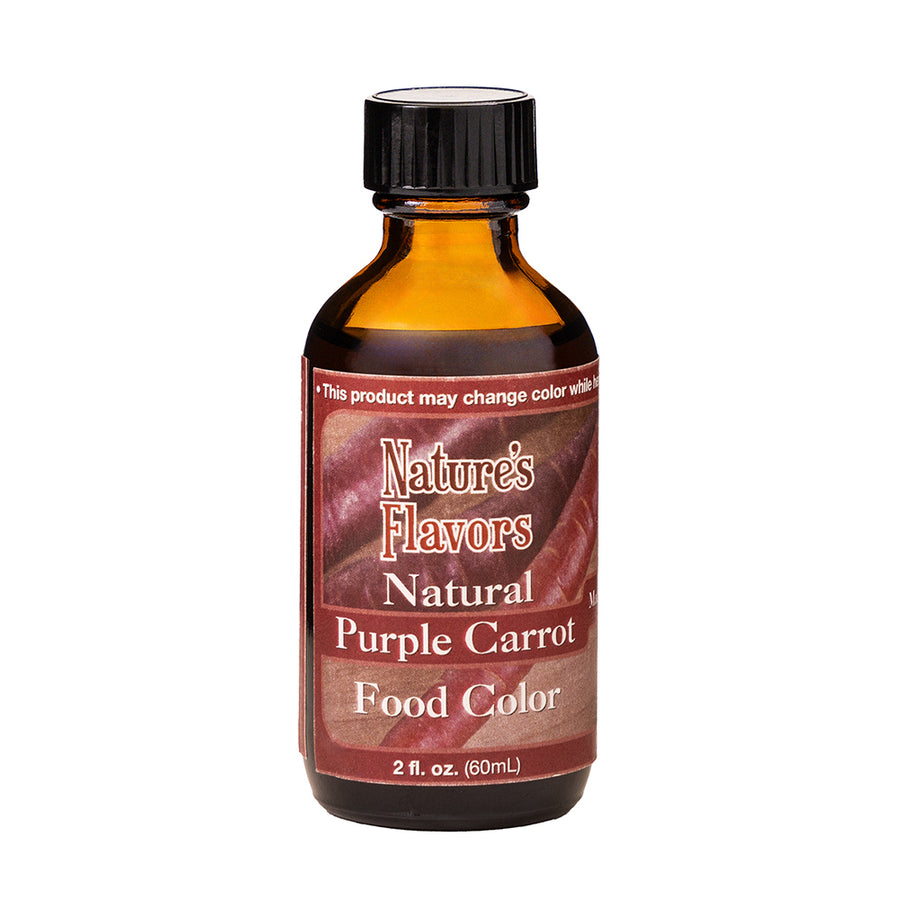
This is where things get genuinely fascinating. Nature is an extraordinary colorist. The pigments that give plants their vivid hues — anthocyanins, carotenoids, chlorophylls, betalains — can be extracted and concentrated for use in food. The richest source of these pigments is natural food coloring from vegetables, which has exploded in mainstream use — from beet-based reds in protein powders to spinach-derived greens in pasta. Nature's Flavors carries a wide range of vegetable-sourced colorants across every hue on the spectrum.
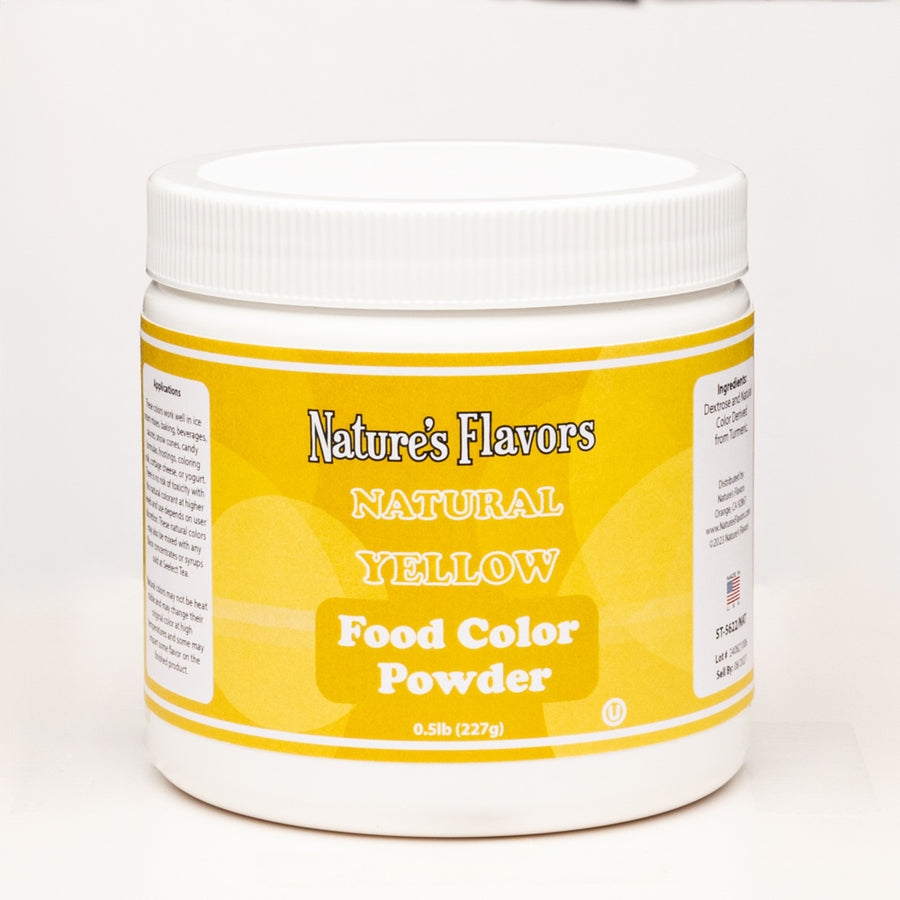
- Yellows and oranges: Turmeric, annatto, saffron, beta-carotene from carrots
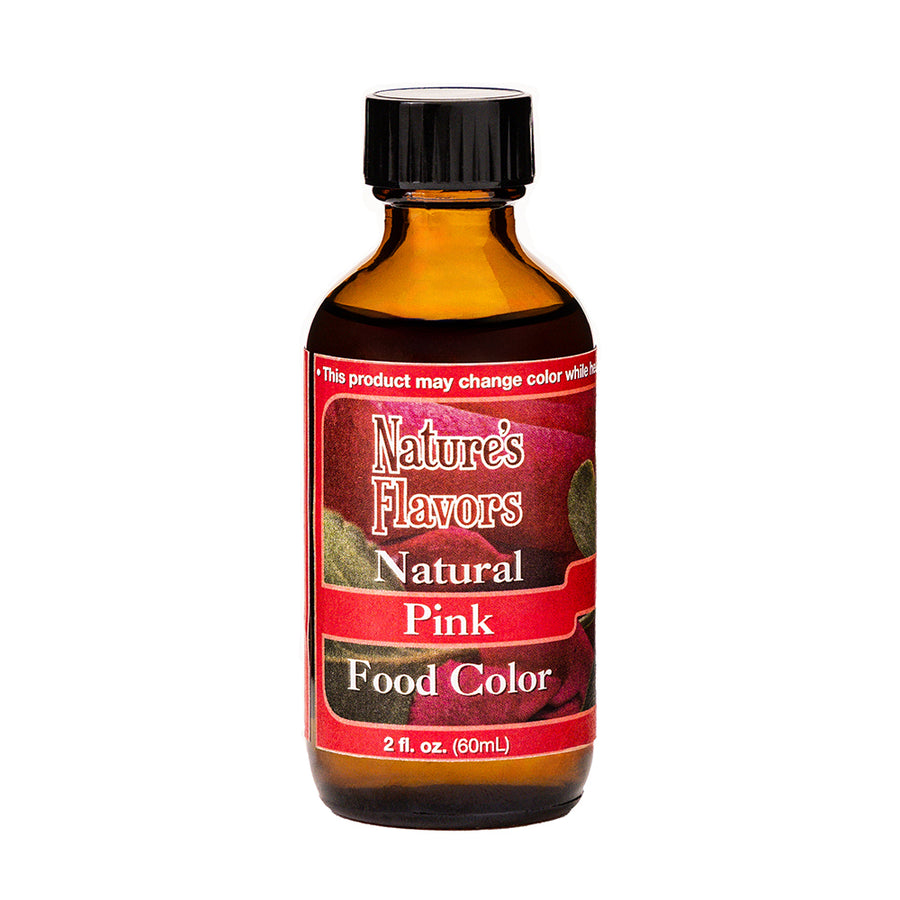
- Reds and pinks: Beet root, hibiscus, red cabbage, tomato lycopene
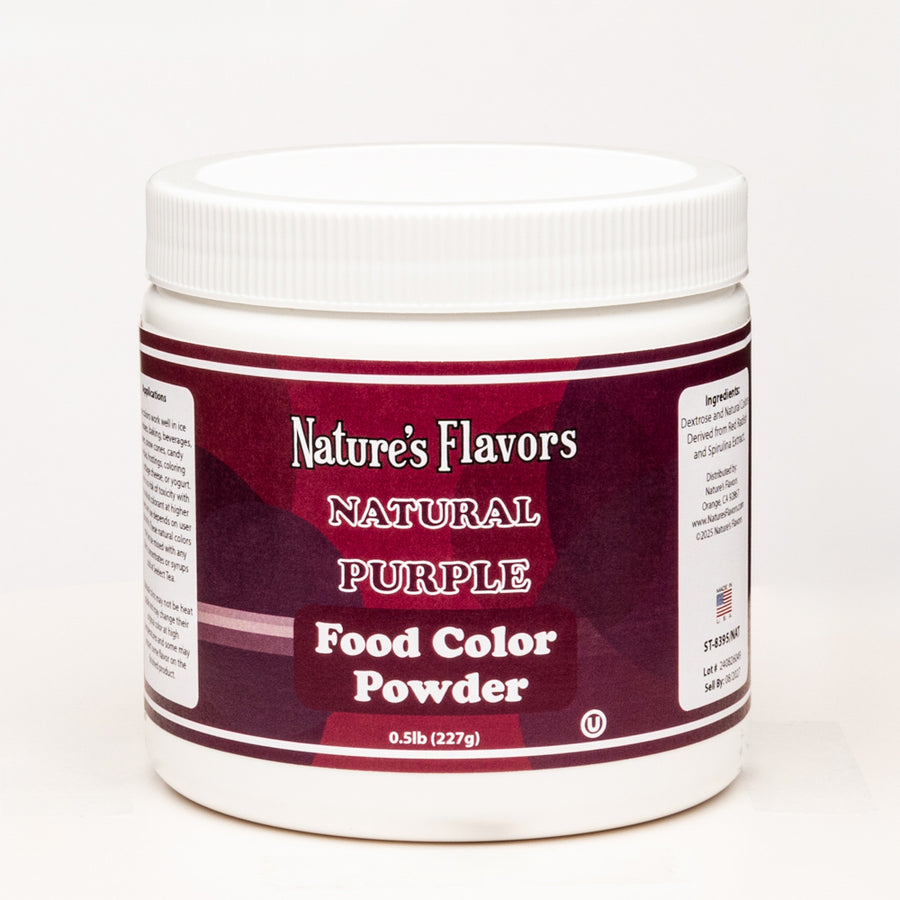
- Blues and purples: Butterfly pea flower, purple sweet potato, pH-shifted red cabbage
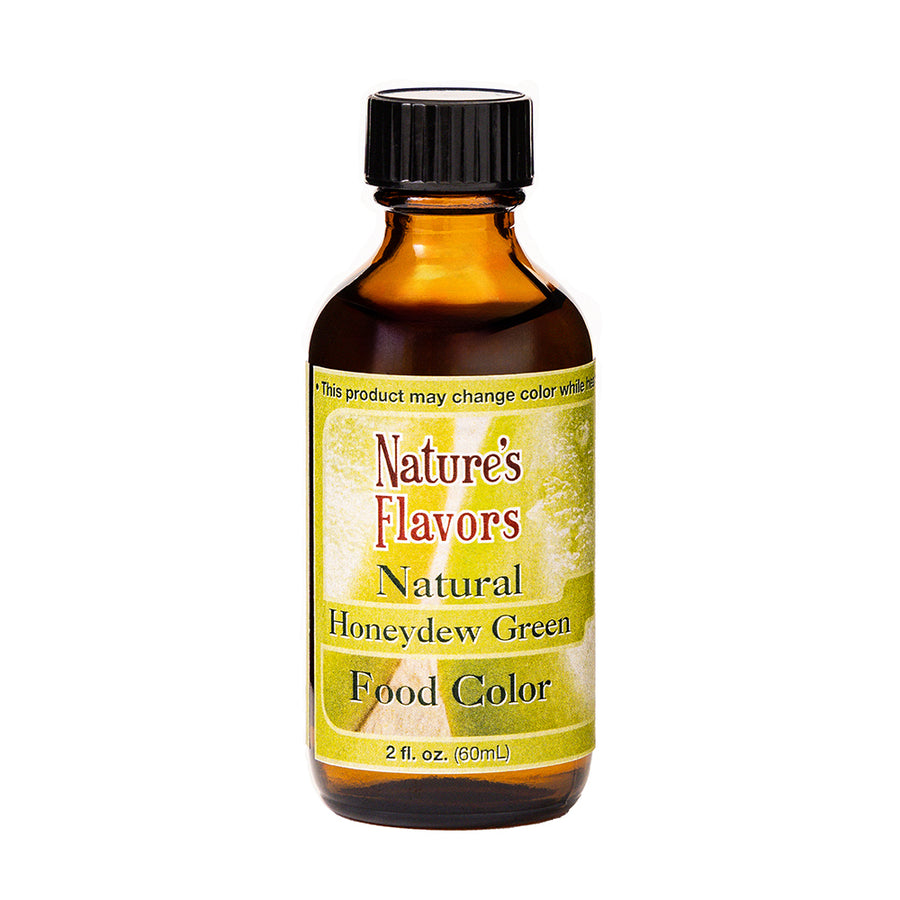
- Greens: Spirulina, spinach, matcha, chlorophyll extracts
- Browns and blacks: Activated charcoal, caramel, cocoa
→ Shop the Full Spectrum at Nature's Flavors
The Science of a Natural Dye From Food
Understanding how a natural dye from food behaves is critical before you start using it — because these colorants are alive in ways synthetics are not. They react to heat, light, pH, and time.
pH is your biggest variable. Red cabbage turns pink in acidic environments and blue-green in alkaline ones. Butterfly pea flower behaves the same way. Creative bakers have built entire "color-changing" dessert concepts around this chemistry — but for consistent commercial color, you need to understand and control it.
Heat sensitivity matters too. Anthocyanins — the pigments behind most purple and blue hues — can degrade at high temperatures. For baked applications, apply color post-bake or choose more heat-stable options like beet powder or annatto. Nature's Flavors product pages include detailed usage guidance so you always know exactly how each colorant performs before you buy.
→ Find Heat-Stable Natural Colorants at Nature's Flavors
Natural Food Coloring for Baking: Icing, Frosting & Decorating
One of the most common questions we hear: do natural colors actually work for decorating? The answer is yes — absolutely — when you use the right format.
For icing applications, natural food dyes for icing work beautifully in concentrated powder or liquid formats. Just account for the subtle flavor some pigments carry — beet has a slight earthiness, turmeric a mild warmth. Nature's Flavors offers baking-specific colorants formulated for exactly these applications.
For buttercream and cream cheese frosting, natural food coloring for frosting works best in gel or powder form. Adding too much liquid to a fat-based medium can break the emulsion — so concentration is everything.
For precise detail work and deep, saturated tones, natural gel food coloring is a game-changer. The gel format is highly concentrated, introduces no extra moisture, and blends seamlessly into fondant, gum paste, and royal icing.
→ Shop Nature's Flavors Baking Colorants
The Red Challenge — And How to Solve It
Red is notoriously the hardest color to achieve naturally. For decades, the go-to was carmine — derived from cochineal insects — which is technically natural but a dealbreaker for vegan and some religious consumers.
Today, plant-based options for natural red dye food applications have improved dramatically. Beet root delivers a deep red-pink ideal for frostings and dairy. Hibiscus produces a bright magenta-red perfect for beverages. Lycopene is oil-soluble and heat-stable, making it ideal for savory applications. Red radish and red cabbage offer versatility across pH ranges when properly formulated. Nature's Flavors carries vegan-friendly red options across all of these sources.
→ Find Natural Red Colorants at Nature's Flavors
How to Choose the Best Natural Food Coloring for Your Needs
With so many options available, choosing the best natural food coloring comes down to three factors: your application (baked, frozen, liquid, or fat-based), your pH environment (acidic, neutral, or alkaline), and your label goals ("colored with beet juice" vs. "natural color" affects which extract format you use).
For most home bakers and small food businesses starting out, a core set of powder concentrates covers 90% of use cases. From there, gels and liquids add precision and depth for more advanced applications. Not sure where to start? Nature's Flavors makes it easy to filter by format, color, and application.
→ Find Your Perfect Match at Nature's Flavors
What to Know About Natural Food Color Manufacturers
Not all natural colorants are created equal — and sourcing matters enormously. The best natural food color manufacturers are transparent about their extraction methods, sourcing origins, and whether their products are organic certified, allergen-free, and shelf-stable.
Working with natural food colours manufacturers who specialize in the organic space — rather than conventional suppliers who have simply added a "natural" line — makes a real difference. Nature's Flavors was built from the ground up as a natural and organic brand, which means every product in our coloring lineup reflects that commitment at every step of the supply chain.
→ Learn More About Nature's Flavors Sourcing Standards
Making the Switch: Your Starter Kit
New to natural color for food? Start with these five pigment sources — they cover the primary color wheel and can be blended for secondary tones:
- Beet root powder → reds and pinks
- Turmeric → yellows and golds
- Spirulina → greens and teals
- Butterfly pea flower → blues and purples
- Activated charcoal → blacks and grays
All five are available at Nature's Flavors in multiple formats — powder, liquid, and gel — so you can start with whatever works best for your kitchen or production setup.
→ Shop the Starter Range at Nature's Flavors
The Bottom Line
The shift toward natural color for food isn't a trend — it's a permanent recalibration of what consumers expect from their ingredients. The technology has caught up, the color payoff is real, and the label story is infinitely cleaner than a string of synthetic dye numbers. Whether you're frosting a birthday cake, formulating a new beverage, or scaling a food business, there has never been a better time to make nature your colorist.

Nature's Flavors has been crafting natural and organic ingredients since 1983. Our natural food coloring collection is one of the most comprehensive available — spanning powders, liquids, and gels across every color in the spectrum, all made without synthetic dyes, artificial additives, or compromise. Whether you're a home baker looking for a clean swap or a food manufacturer sourcing at scale, Nature's Flavors has the color, the quality, and the expertise to deliver. Shop our full natural food coloring collection here.